
Surgical Residency Program
Surgical Residency Program
GRB-425
Massachusetts General Hospital
55 Fruit Street
Boston,
MA
02114
Phone: 617-726-2800
Email: bwolf3@mgb.org
Explore This Residency
About the Program
The General Surgery Residency Program at Massachusetts General Hospital (MGH) trains the next generation of leaders in academic surgery. We provide our residents with unparalleled clinical and operative experiences; robust didactic, simulation and conference curricula; a team approach to career development, mentorship and limitless research opportunities. One of the oldest and most prestigious training programs in the country, the MGH Surgical Residency Program prides itself on the success of its graduates, many of whom are current department chairs, division chiefs and renowned surgeon-scientists.
Curriculum
The MGH Surgical Residency Program consists of five clinical years encompassing the broad range of surgery, and provides graded responsibility with adequate supervision at all levels. All residents complete the requirements for certification by the American Board of Surgery. Our graduates have been extraordinarily successful in obtaining premier fellowship positions. Research is also an important part of our curriculum. The vast majority of our residents elect to take time away from clinical training, usually two years, for research or to pursue advanced degrees. The department is extremely supportive of these electives and we encourage you to review our research collaborations and offerings in the next section.
Operative Experience
The Surgical Residency Program offers an unparalleled clinical experience for surgeons in training. Operative experience begins in the first year, with progressive advancement in complexity of cases with experience. Each graduating resident, over the course of the residency, averages approximately 1,200 major cases, with strong experience in complex major cases.
Rotations
The vast majority of training takes place at MGH, with the focus on the primary components of general surgery. Several months are spent on outside rotations at Newton-Wellesley and Salem Hospitals, offering residents exposure to community hospital practice, teaching independence and autonomy. We also operate at several ambulatory surgical centers in Waltham and Danvers, Massachusetts, for bread and butter general and oncologic same day surgery.
Simulation Program
As a leader in the world of medical simulation, MGH has developed innovative uses of simulation for the education of residents. The simulation program uses a combination of robotic skills, wet lab, dry lab, and in-situ simulation to educate residents and medical students. We are one of the main teaching hubs for the Advanced Trauma Operative Management course, the Advanced Trauma Life Support course, Fundamentals of Laparoscopic Surgery and other programs sponsored by the American College of Surgery. We are actively engaged with industry to develop and test some of the newest simulation techniques and offer the opportunity for residents to not just learn but to also teach/develop such programs.
Academic Career Development
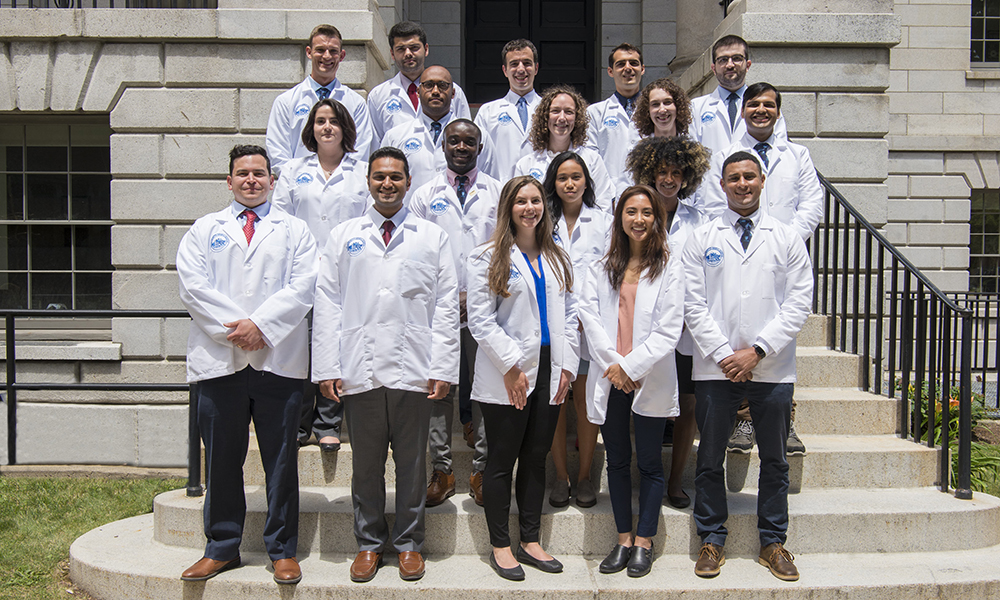
We do not expect that all residents arrive at Mass General with a strong vision of their future clinical and academic goals. We know that their initial interests from their medical school time may evolve over the course of their residency training. As such, we have implemented a multidisciplinary and longitudinal approach to mentorship. The Department of Surgery's Vice Chair of Research, Genevieve Boland, MD, PhD, works with each resident to assemble a team of mentors—clinical, academic, and peer mentors that help each resident refine their career plans over time. Each resident will have a formal team of faculty and peer mentors, with an annual team career conference to review each resident's career plan as it matures and comes into focus.
Review our Academic Career Development Model »
Learn more about the Academic Development Rotation (PDF) from Michael Kochis, MD, EdM, and several faculty members, who published the results of the implementation and success of the Academic Development block in the Journal of Surgical Education in September 2024.
Global Surgery Pathway
As an international leader in surgery, MGH has developed a Global Surgery Pathway for residents interested in pursuing work in developing countries. This pathway enables interested and qualified surgery residents to undertake tailor-made clinical, educational and research opportunities.
Conferences
A variety of educational conferences complement the clinical training program. Each service has a weekly morbidity and mortality conference, which all residents and staff attend. Surgical Grand Rounds take place on Thursday mornings. The remainder of Thursday morning is dedicated to the general surgery core curriculum for all surgical residents. Below is the list of conferences in all disciplines held by the listed day.
Daily Schedule
Monday
- Adrenal conference
- Trauma rounds
- Liver conference
Tuesday
- Endocrine surgery conference
- Pancreatic multidisciplinary conference
- Breast center didactic conference
- Gastrointestinal oncology multidisciplinary meeting
- Endocrine clinical research conference
Wednesday
- Gastrointestinal oncology conference
- Melanoma research conference
- Gastrointestinal rounds
Thursday
- Gastrointestinal oncology multidisciplinary meeting
- Endocrine oncology conference
- Pancreas rounds
- Sarcoma rounds
Friday
- Breast tumor board
- Liver tumor clinic rounds
- Inflammatory bowel disease conference
4+3 Pathway for Cardiothoracic Surgery Training
MGH surgical residents interested in specializing in cardiothoracic surgery have the unique opportunity to transition into our Cardiothoracic Surgical Residency Program during the PGY-4 year of general surgery training. Once transitioned, they would remain at MGH and train for an additional three years. Separate cardiac and thoracic tracks have been established within the program to allow for subspecialty emphasis in contemporary aspects of the field. We currently have 2 cardiac and 2 thoracic spots per year in this program.
Learn more about the Mass General Cardiothoracic Residency Program »
Research
The department has 26 endowed fellowships to support resident research and guarantees salary support for any resident during this research experience. With this availability of funds, residents often have opportunities to work in the foremost laboratories in the country. While many residents opt for research opportunities within the Department of Surgery, they also can explore any research group at Mass General that matches their interests. This, combined with comprehensive departmental support, positions Mass General as an exceptional training program for the next generation of academic surgical leaders. We have a strong tradition of training the surgeon-scientists who go on to advance medicine through research. The Department of Surgery is exceptionally poised to lead the way in various exciting areas of research and to launch first-in-human trials to solve many conditions that are treated through surgery or alternative non-surgical interventions.
Fast Facts
- Mass General is home to the largest hospital-based research program in the U.S., with annual research expenditures exceeding more than 1 billion.
- The Department of Surgery has one of the largest surgical research programs in the world Boston is home to nearly 100 Howard Hughes Medical Institute investigators.
- Research facilities at the main MGH campus, the Simches Research Center, and Charlestown Navy Yard are home to state-of-the-art equipment, cutting-edge research technologies, and research groups that specialize in:
- Cancer biology
- Developmental biology
- Imaging sciences
- Immunology
- Regenerative medicine
- Stem cell biology
MGH Next-Gen PTSP Program
The Mass General Next-Gen PSTP Program's mission is to equip residents with the skills they need to someday lead the advancement of medical science in infectious diseases and immunology, spanning from fundamental research to clinical investigation.
Applying for NIH and Foundation Funding
The City of Boston receives a significant amount of the annual National Institutes of Health (NIH) grant funding.
All residents are strongly encouraged to apply for NIH F32 postdoctoral fellowships as well as support from other agencies such as the American College of Surgeons, American Cancer Society, Society of University Surgeons, and the American Heart Association, during their third year of training. At MGH, our surgical faculty actively assists residents in preparing their grant applications. Securing funding establishes a valuable track record, which plays a pivotal role in future award applications.
Learn more about surgery research »
Our Resident Community
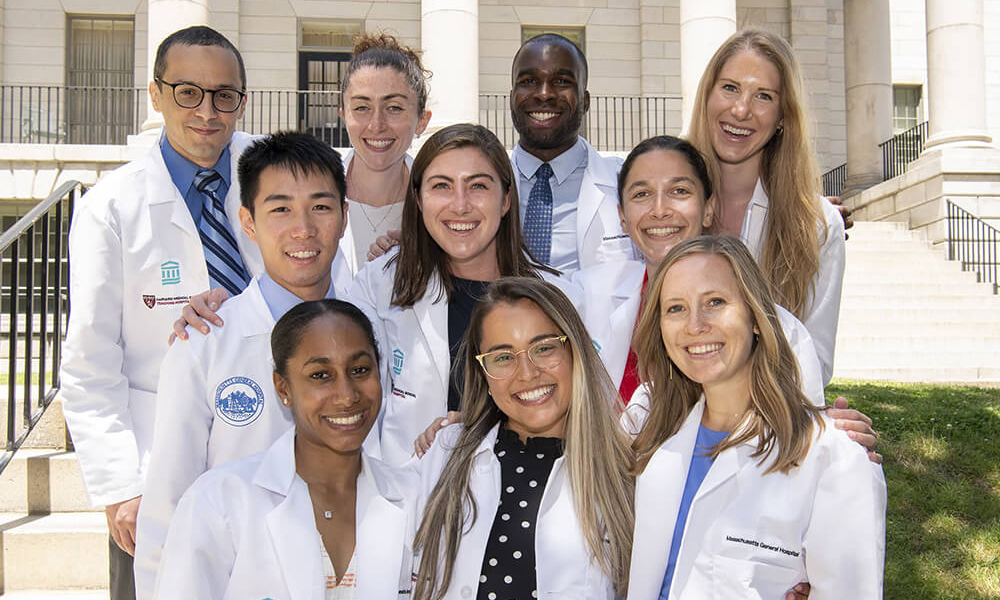
MGH recruits top candidates from around the world into our Surgical Residency Program. Our residents bring to the program a variety of perspectives and backgrounds, enriching the program further and deepening the care experience that our patients receive.
Welcome to Boston
A world-class city with a small-town feel, Boston is rich in history and culture and home to more than 50 colleges and universities. The city is known for its sports teams, as well as for its major cultural institutions like the Boston Ballet and the Boston Symphony Orchestra. Numerous museums and galleries host weekly events, and a thriving local music scene coupled with an international array of restaurants makes Boston a vibrant city to call home. We are in close proximity to Cape Cod, Martha's Vineyard, New Hampshire, Maine, and other major travel destinations. With MGH being centrally located, we are easily accessibly by MBTA, Logan Airport, taxi, etc.
Support and Recognition
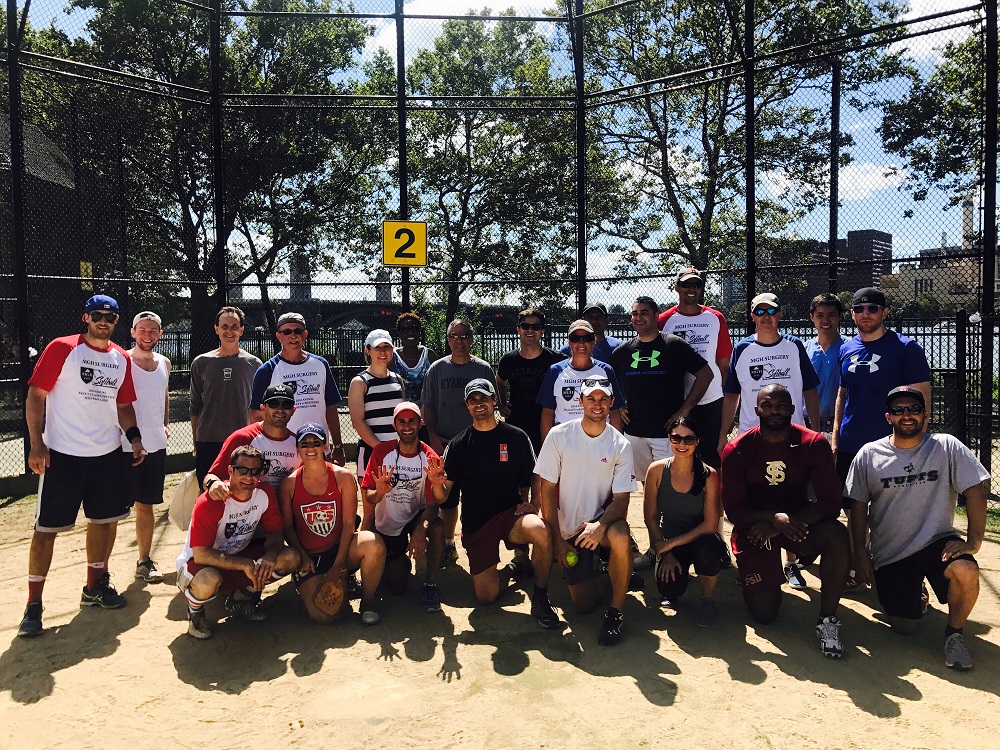
While the program is rigorous, residents are part of a community that supports and encourages their development both inside and outside of the hospital. There are a number of events throughout the year during which residents recognize each other's work and accomplishments, welcome incoming residents, and come to discuss a particularly extraordinary case. Some among them include:
- Annual holiday party
- Santa rounds: Every year the MGH surgical interns participate in a long-standing tradition of admitting Mr. Santa Claus to Mass General
- Change show: On the eve of the first day of the new academic year, we celebrate and review the year's triumphs by showcasing videos created by each class. At this event we also welcome the incoming interns
Financial Support
Making the move to Boston is both exciting and challenging. Our parent company, Mass General Brigham, helps residents alleviate the economic burden of living in Boston with a few programs like the Resident Stipend Pilot Program and the Lease Guaranty Program. We are pleased to share these unique benefits with our residents.
Learn more about financial support at Mass General Brigham »
Wellness
Meet our Associate Program Director, Resident Wellness

Supporting Resident Parents
Surgical training is long and coincides with childbearing years for many residents. The MGH Department of Surgery recognizes the impact of surgical training on the ability for residents to have children before, during, or after training and is committed to safeguarding the health and well-being of our residents during family planning, pregnancy, and after delivery.
Our Alumni
Many of the residents in Massachusetts General Hospital's Surgical Residency Program continue their education and training after graduation with additional fellowships and residencies.
View a list of recent alumni and their postgraduate positions »
For more information on alumni relations, visit the Mass General Surgical Society.
Salary and Benefits
Salary
PGY Salary (2024-2025)
- PGY-1: $78,540
- PGY-2: $82,500
- PGY-3: $86,350
- PGY-4: $90,750
- PGY-5: $95,150
All residents also receive an annual $10,000 stipend to assist with the cost of housing, child care, and any other financial challenges they may face.
Vacation
Residents are provided four week-long blocks of vacation during the first year of residency, followed by four weeks per year in the subsequent four years. Residents in years two through five can take two two-week vacation blocks or an entire month. The program strives to accommodate the vacation requests of each resident.
Insurance
Hospitalization, medical insurance, disability insurance, and malpractice insurance are all available through Mass General Brigham.
Parking
Subsidized parking is available to house officers in the hospital's parking garages.
How to Apply
Mass General Brigham is engaged in a process to unify academic departments across Massachusetts General Hospital and Brigham and Women’s Hospital. Our General Surgery Training Programs will continue to have separate matches in 2025 as we develop plans and explore opportunities for greater collaboration. Our vision for integration is rooted in the belief that it will foster novel educational opportunities for both programs. Together, we aim to pioneer innovative approaches to surgical training, ensuring the optimization of learning opportunities for all involved.
Application Requisites
As part of your application, please include:
- 500-word personal statement
- Medical student performance evaluation letter (formerly called a dean's letter)
- Curriculum vitae
- At least three (3) letters of recommendation
- Passing scores on USMLE Steps 1 and 2 by the match date
International Medical School Graduate Applications
The above application requisites apply to all international medical school graduate applications. Additional information for international applicants includes:
- The date of graduation from medical school can be no more than two (2) years prior to the date of application to the residency program
- We do not require U.S. clinical experience to apply, although it is highly recommended and will enable your application to receive greater consideration
- We only sponsor J-1 visas for preliminary positions
- We only sponsor H1-B and J-1 visas for categorical positions
If you are a foreign medical graduate, visit the Foreign Medical Graduate page for additional information.
Deadlines and Interview Dates
Interviews are conducted via Zoom.
- Deadline to submit application: October 4, 2024
- Categorical interview invitations sent out by: October 23, 2024
- Categorical interview dates:
- Friday, November 22, 2024
- Friday, December 6, 2024
- Friday, January 10, 2025
- Preliminary interview invitations sent out by: mid-January, 2025
- Preliminary interview date: Thursday, January 30, 2025
Our Program Leadership
We have a committed group of faculty and staff who manage program development.
-
![]()
- Associate Program Director, MGH Surgical Residency Program
-
![]()
- Pediatric Surgeon
- Associate Program Director, MGH Surgical Residency Program
- Director of Pediatric Surgical Oncology, Mass General Brigham for Children
-
![]()
- Associate Program Director, Surgical Residency Program
-
![]()
- Director of Thoracic Outlet Syndrome Program, Division of Thoracic Surgery
- Assistant Team Physician for the New England Patriots
- Consultant for the Boston Bruins, and Boston Red Sox
-
![]()
- Director, Surgical Education, Pediatric Surgery
- Associate Program Director, MGH Surgical Residency Program
-
![]()
- Director, Peritoneal Surface Malignancy Program
- Director, General Surgery Residency Program
-
![]()
- Associate Program Director, MGH Surgical Residency Program
-
![]()
- Chief, General Surgery and Acute Care Surgery, Newton-Wellesley Hospital
- Associate Chair of Surgical Education, Newton-Wellesley Hospital
- Associate Program Director, Surgical Residency Program, MGH
-
![]()
- Acute Care and General Surgeon
- Associate Program Director, Surgical Residency Program


Contact Us
If you would like to request additional information about the Surgical Residency Program, please use the following contact information.