
Department of Surgery Research

Empowering the Next Generation of Surgeon-Scientists
The Department of Surgery's leading-edge research programs contribute important new knowledge to both the surgical and broader medical communities, with diverse areas of research supported by robust extramural support from the National Institutes of Health and the Department of Defense.

Leading Research in Surgery
Through research, the department continuously enhances and strengthens existing efforts, augments faculty pathways to extramural funding and develops the next generation of surgeon-scientists. The principles guiding these efforts will emphasize inclusion and equity, defined promotion paths and interdisciplinary collaborations.

Surgical Innovation and Devices
From robotic surgery to artificial intelligence, the department explores research areas that aim to reimagine the way surgery is performed in order to improve patient care.

Transplantation and Organ Engineering
The department's multidisciplinary transplantation and organ engineering research center works at the interface of basic and clinical science to uncover more about transplantation immunobiology.

Health Services Research, Surgical Simulation and Teaching
The department improves patient safety and outcomes through research endeavors in which researchers, practitioners and trainees can test new clinical processes and practices on artificial patients.

Cancer Biology
Through research, the department strives to develop breakthroughs on the underlying mechanisms of cancer—including the growth, spread and maintenance of cancer cells—to inform cutting-edge treatments.

Disparity and Equity Research
Departmental researchers develop critical findings related to disparities in patient care and outcomes that inform policy, treatments and delivery to better serve diverse and vulnerable populations.

Physiology, Development and Genetics
Research labs in the department carry out fundamental studies on a variety of topics at the forefront of physiology, development and genetics.
Additional Resources for Researchers

Education and Training
The department offers fellowships and residencies in nearly every specialty. Fellows and residents are part of the clinical team, providing expert perspectives that benefit Mass General patients.

Research Management and Resources
With one of the largest research programs among U.S. surgery departments, the department offers resources and services to support a robust team of researchers, physician-scientists and trainees.

Funding Opportunities
The Mass General Department of Surgery community is kept up to date on the latest opportunities to apply for funding for research endeavors.
Annual Research Funding
150+ staff members carry out basic science, outcomes and clinical research.
National Institutes of Health-Sponsored Research
We continuously enhance and strengthen existing research efforts.
National Institutes of Health-Funded Grants
Our surgeon-scientists chart new research endeavors to advance care.
Research Leadership
-
![]()
- Vice Chair of Research, Department of Surgery
- Director, Therapeutic Intralesional Program
- Surgical Director, Termeer Center for Targeted Therapies
-
![]()
- Director of Surgical Research
-
![]()
- Administrative Director for Research


About the Mass General Surgical Residency Program
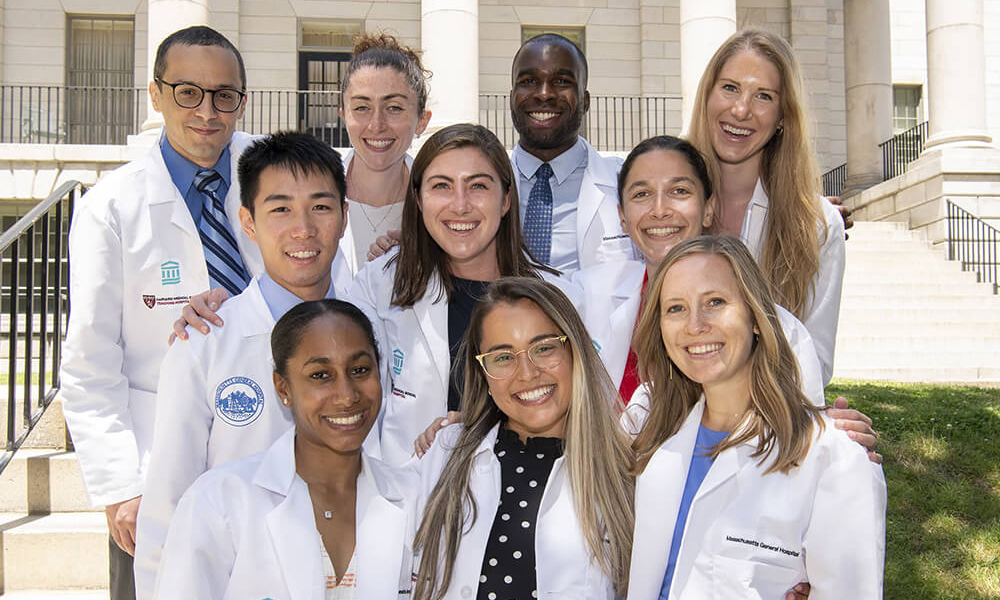 The Mass General Surgical Residency Program offers extensive clinical training and research opportunities. We provide our residents unparalleled clinical and operative experiences; robust didactic, simulation and conference curricula; a team approach to career development, mentorship and limitless research opportunities.
Research at the Mass General Department of Surgery
Research is a critical element of patient-care. When research advances are made, the lives of patients everywhere are directly impacted for the better.