
Health Technology Performance Lab
Health Technology Performance Lab
Mass General Brigham Department of Neurosurgery
399 Revolution Drive STE 1140
Somerville,
MA
02145
Email: HTPLab@mgb.org
Explore This Lab
Overview
The Health Technology Performance Lab examines cutting-edge innovation in genomics and neurotechnology, anticipates potential challenges, and proposes solutions. Our research explores the ethical and social implications of integrating psychiatric genomics into clinical care, polygenic embryo screening, and neurotechnologies such as brain-computer interfaces (BCI) and deep brain stimulation (DBS) systems.
Research projects
Post-Trial Support for Participants in Implantable Neural Device Trials
Funded by NIMH.
Public and private research funders have heavily invested in implantable neurotechnologies to improve the management of treatment-resistant conditions and loss of function. These devices, including DBS for movement and psychiatric disorders such as obsessive-compulsive disorder and depression, are tested in individuals with severe, long-standing impairments and treatment-resistant conditions. However, even when participants experience significant symptom relief or functional improvement in these trials, there is currently no systemic way to ensure post-trial access to beneficial investigational devices.
The loss of access or maintenance for these devices after trials can lead to the recurrence of severe, treatment-resistant conditions. Former trial participants may face emotional distress from the loss and financial strain if device support and maintenance costs are not covered by insurers. This research aims to promote participant well-being and advance neuroscience by gaining insight into the experiences of participants following DBS trials, including their device access, clinical care, and social support needs.
To achieve this, we are interviewing former DBS trial participants, their care partners, and local clinicians to better understand their post-trial care needs. These findings will be shared with researchers, device manufacturers, insurers, and research sponsors to identify barriers and opportunities for interventions to improve post-trial care. Finally, we will convene public deliberation panels, bringing together representatives from each group to develop policy recommendations for continued DBS support.
Polygenic Embryo Screening: Informed Decision-Making
Funded by NHGRI.
Preimplantation genetic testing (PGT) has long been used to prevent the implantation of embryos carrying rare monogenic disease-causing alleles or aneuploidies. However, advances in complex trait genetics, along with the ability to generate accurate genome-wide genotypes from single-cell input, now make it possible to screen embryos for common polygenic traits and disease risks. This polygenic embryo screening (PES) introduces key ethical considerations that differ from conventional PGT for monogenic diseases. Unlike PGT, PES allows screening for multiple common diseases simultaneously (e.g., diabetes, heart disease, cancer, mental health disorders) and could also screen against stigmatized conditions, such as psychiatric disorders. PES even allows selection for "desirable" traits like height and intelligence. Importantly, PES results are inherently probabilistic and subject to variability, with risk reported as a percentage for each condition.
Despite media coverage on the possibility of "designer babies" and the emergence of private PES services, little empirical research has been done to quantify the PES’s utility, assessed stakeholders perspectives, examined its ethical implications.
The inherent ambiguity of PES requires careful consideration by clinicians, patients, policymakers, and the public to fully understand its potential consequences. In a recent study (Karavani et al., Cell, 2019), we examined PES’s statistical limitations for selecting embryos based on polygenic risk scores (PRS) for quantitative traits. Our findings indicate that, given current technology, the average benefit from screening is modest, with extremely wide confidence intervals that create significant uncertainty for clinicians and patients considering PES. However, preliminary data suggest PES may hold greater predictive power for disease risk reduction.
While PRS research has grown exponentially in the last few years, little empirical data exists on the clinician and patient perspectives toward PRS’s clinical applications, especially with assisted reproductive technology. To build a framework for the ELSI of PES, we aim to assess the attitudes and perspectives of those most likely to use or be impacted by it.
Genomic Tests for Substance Use Disorders
In 2023, more than 100,000 people died of an opioid overdose in the United States, and 2.5 million adults in the U.S. have an opioid use disorder (OUD). Paradoxically, people’s access to opioids often happens in the context of medical procedures and are prescribed by clinicians. Opioids are effective in treating moderate to severe pain and are often prescribed following surgical procedures such as back surgery. Iatrogenic harms associated with opioid use for medical purposes (e.g., OUD) pose an ethical and medical conundrum: How to properly balance the risks associated with opioid use with the potential medical benefits in terms of pain management and improved clinical outcomes? To help inform this decision, companies have developed genetic tests that use polygenic risk scores (PRS) to estimate a person’s genetic risk for developing an OUD. The FDA recently approved one such test, and tests for other substance use disorders (SUD) are in development.
A tool that can accurately estimate a person’s genetic risk for OUD, could help prevent opioid prescription, use, and save lives. However, the use of genetic tests to identify people at increased risk of OUD or any SUD is itself, ethically challenging. How reliable are these tests perceived to be, in which circumstances should they be ordered, how much genetic risk for OUD is too much to deny opioids to a patient in pain, how should OUD risk information be managed in the medical record, who could have access to OUD risk results, and how could this information be misused? Furthermore, OUD, other SUDs, and pain are stigmatized which may influence clinician and patient decision-making regarding ordering genetic tests for OUD and integrating results.
Little empirical research has examined the ethical and clinical implications of these novel tests in medicine. The proposed study examines key stakeholders’ (e.g., patients scheduled for surgery, patients with history of OUD, surgeons, pain management specialists, medical geneticists, legal experts) views, concerns, expectations, decision-making factors, and proposals for the responsible use of OUD genetic tests. The long-term goal of this research is to promote patient well-being and advance genomic science by generating data and analysis to inform the responsible use of genetic tests for SUDs in medicine.
The objective of this study is to empirically examine stakeholders’ views, concerns, expectations, and decision-making factors on whether and how to responsibly integrate genomic risk estimates for OUD in surgical care. In Aims 1 and 2, we will conduct semi-structured interviews with patients scheduled for surgery, patients with history of OUD, surgeons, pain management specialists, medical geneticists and other relevant clinicians to examine their views, concerns, expectations, decision-making factors, and proposals for the responsible use of PRS for OUD. In Aim 2, we will also experimentally examine which factors drive clinician decision-making regarding whether to order OUD genetic tests. Finally, in Aim 3, we will conduct a modified Delphi panel with stakeholders to identify the most pressing challenges and potential solutions for the responsible use of OUD genetic tests in medicine.
Polygenic Risk Scores in Child and Adolescent Psychiatry
Funded by NIMH.
Recent research has identified genomic loci associated with various psychiatric disorders, including schizophrenia, depression, and autism spectrum disorders, making it possible to generate PRS to estimate individual’s risk for these conditions compared to the general population. As a prediction tool, psychiatric PRS may be most valuable when applied before the onset of illness, as about 75% psychiatric disorders or early symptoms occur by early adulthood. This makes PRS particularly useful for children and adolescents. PRS could improve early identification, allowing for better monitoring and timely interventions to potentially prevent or delay onset, reducing morbidity and the risk of suicide, which is the second leading cause of death in the U.S. in ages 10–24. Despite its potential, PRS poses unique challenges in psychiatry. Our preliminary research has found that PRS is already being used in child and adolescent psychiatry, raising concerns due to the stigma surrounding mental illness and a history of misusing “predictors” of “undesirable” behaviors or mental illness in the U.S. Psychiatric PRS could be misapplied against patients with psychiatric disorders, as it is one of the first tools that can generate risk predictions on a personal level. There are also significant legal gaps in privacy protections and in preventing genetic judgments.
To promote responsible use of psychiatric PRS in children and adolescents, we will use a mixed-methods approach that includes qualitative, quantitative, and legal analysis to:
- Gather perspectives from stakeholders (e.g., patients, parents/caregivers, clinicians) on whether and how psychiatric PRS should be used.
- Analyze the legal and regulatory landscape to identify necessary safeguards. While some gaps apply to other genetic information, we will focus on policy solutions to address the likely uses and misuses of psychiatric PRS, particularly for individuals with or at risk of psychiatric disorders — a group that includes nearly 30% of the U.S. population.
The long-term goal of this research is to develop ethically justified and empirically informed guidelines that address the ethical challenges posed by the use of psychiatric PRS in children and adolescents.
Neurotech Justice Accelerator at Mass General Brigham, a Dana Center for Neuroscience & Society
Funded by the Dana Foundation.
The Neurotech Justice Accelerator at Mass General Brigham (NJAM), a Dana Center for Neuroscience & Society improves access to beneficial neurotechnology, promotes responsible societal use of neurotechnology. NJAM established the first Postdoctoral Training Program in Neuroscience & Society, a Summer Research Program, and conducts research on neurotechnology, neuroethics, and neurolaw.
Research team
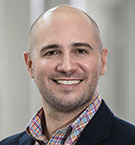
Gabriel Lázaro-Muñoz, PhD, JD
Associate Professor of Psychiatry, Harvard Medical School
Departments of Neurosurgery and Psychiatry, Mass General Brigham
glazaromunoz@mgh.harvard.edu
View bio
Gabriel Lázaro-Muñoz, PhD, JD, is a lawyer and neuroscientist, and Associate Professor at Harvard Medical School with appointments in Neurosurgery and Psychiatry at Mass General Brigham, and the HMS Center for Bioethics. He leads the Health Technology Performance Lab at MGB Neurosurgery and co-directs the Neurotech Justice Accelerator at MGB (NJAM), a Dana Center for Neuroscience & Society. He is founder of Fidelia, which builds standards for health technologies including neurotechnology, genomics, clinical AI, and digital health.
Dr. Lázaro-Muñoz integrates training in neuroscience, law, and bioethics to examine the ethical, legal, and policy implications of emerging biotechnologies. His work uses embedded approaches, stakeholder interviews, surveys, legal, ethics, and policy analysis to translate empirical findings into actionable policy and certifiable standards.
As principal investigator, he has secured over $25 million in funding, including seven R01 awards from the BRAIN Initiative, NIMH, NHGRI, and NIDA. His current studies examine psychiatric genetics, polygenic embryo screening, polygenic scores for substance use disorders, neurotechnology (e.g., BCI, brain-computer interfaces; DBS, deep brain stimulation), human fidelity in technology development, and how to build stakeholder-centered infrastructure that effectively and efficiently delivers technologies to patients who can benefit. He has published over 125 manuscripts.
Dr. Lázaro-Muñoz serves on the NIH-NHGRI Genomics & Society Working Group, the International Brain Initiative Neuroethics Working Group, and the editorial board of Genetics in Medicine. His work has been featured in the Today Show, LA Times, Le Monde, Nature, STAT, NPR, the Associated Press, and MIT Technology Review. He received his PhD in Neuroscience (New York University), JD and Master of Bioethics (University of Pennsylvania), and BA in Psychology (University of Puerto Rico).

Amanda Merner, PhD
Research Scientist, Health Technology Performance Lab
Department of Neurosurgery, Massachusetts General Hospital
amerner@mgh.harvard.edu
View bio
Dr. Merner received her doctorate in experimental psychology, specializing in affective neuroscience, from Case Western Reserve University. During her graduate training, she conducted research at the Center for Neurological Restoration at Cleveland Clinic, where she studied cognitive and emotional changes in patients who underwent DBS for neuropsychiatric conditions.
Dr. Merner completed her postdoctoral research fellowship in neuroethics in the Brain Bioethics Lab within the Department of Global Health and Social Medicine at Harvard Medical School. There, she integrated her training in psychology, neuroscience, and neuromodulation to inform her neuroethics research.
Dr. Merner’s current work focuses on the ethical, legal, social, and clinical implications of emerging genomic and neural technologies in psychiatry. She pursues two primary lines of research:
- Examining the impacts of DBS and other neuromodulation techniques on patients with neuropsychiatric conditions, as well as the post-trial obligations for participants in early-stage DBS trials for treatment-resistant psychiatric conditions.
- Investigating the potential impacts of integrating novel genomic technologies—particularly polygenic risk scores—into psychiatric and surgical care, with an emphasis on responsible management of genetic testing in psychiatry.
- Developing outcome metrics that are centered on patients' values and functional goals to ensure researchers and clinicians are measuring what is most meaningful to patients and their care partners.

Rémy Furrer, PhD
Postdoctoral Research Fellow, Health Technology Performance Lab
Department of Neurosurgery, Massachusetts General Hospital
rfurrer@mgh.harvard.edu
View bio
Dr. Furrer specializes in experimental research methods, design principles, and behavioral science, conducting innovative studies to address complex ethical challenges and judgments in medical decision-making. He earned his PhD in psychology from the University of Virginia, where his interdisciplinary research spanned the disciplines of social psychology, cognitive science, and affective science.
After earning his PhD, Dr. Furrer pursued a postdoctoral fellowship in the Department of Global Health and Social Medicine at Harvard Medical School’s Center for Bioethics. His research examines the ethical and psychosocial implications of genomic and neurotechnologies, using mixed methods to explore how patients, healthcare professionals, and the public perceive, understand, and apply emerging biotechnologies, particularly polygenic risk scores (PRS) and polygenic embryo screening (PES).
Dr. Furrer employs experimental designs to develop and test human-centered strategies for effectively communicating complex health information. His work aims to enhance comprehension, support informed decision-making, and ultimately improve psychological and behavioral health outcomes.

Erika Versalovic, PhD
Postdoctoral Research Fellow, Health Technology Performance Lab
Department of Neurosurgery, Massachusetts General Hospital
eversalovic@mgh.harvard.edu
View bio
Focusing on qualitative research methods in neuroethics research, Dr. Versalovic completed her doctorate in philosophy at the University of Washington. Her dissertation examined storytelling practices in bioethics, exploring how medical research norms shape patient narratives and how they are understood.
Dr. Versalovic is particularly interested in using interview-based research methods to amplify patient voices in medical research. In the lab, she serves as project lead for an initiative to improve post-trial access and support for DBS trial participants. Her roles include developing research instruments, collecting and analyzing qualitative data, and facilitating discussion among stakeholder groups. Ultimately, the project works to advocate for improved policies to ensure trial participants have continued access to the devices after the trials end.
Most broadly, her research focuses on issues of just access and centering patient needs in the ways the neural technologies are being developed and deployed. Dr. Versalovic obtained her Ph.D. in Philosophy from the University of Washington.

Kailyn Price, PhD
Postdoctoral Research Fellow, Health Technology Performance Lab
Department of Neurosurgery, Massachusetts General Hospital
kprice9@mgh.harvard.edu
View bio
Kailyn Price earned a Ph.D. in neuroscience at George Washington University, where she used patch clamp electrophysiology, fiber photometry, and behavioral analysis to examine sex-specific effects of stress on neurons and synapses in the ventral tegmental area and nucleus accumbens. During graduate school, Dr. Price was a Society for Neuroscience (SfN) Neuroscience Scholars Program Fellow and Sadler Scholar with the Hastings Center, and began exploring how value systems inform basic neuroscience research, interpretation, and translation. In the Neurotech Justice Accelerator at Mass General Brigham (NJAM) and Brain Bioethics Lab (BBL), Dr. Price is investigating social structures that contribute to perceptions and beliefs surrounding neuroscience and neurotechnology. Ultimately, Dr. Price aims to identify strategies for promoting just development and access to neurotechnology, while also contributing to the formation of ethical frameworks that institute shared decision-making for uses of neurotechnology.

Asad I. Beck, PhD
Postdoctoral Research Fellow, Health Technology Performance Lab
Department of Neurosurgery, Massachusetts General Hospital
aibeck@mgh.harvard.edu
View bio
Asad Beck received their doctorate in Neuroscience at the University of Washington, and their primary research interests sit at the intersection of neurotechnology, machine learning/artificial intelligence, and neuroethics. As a graduate student in the lab of Horacio de la Iglesia, they studied the relationship between fear entrainment of circadian rhythms and contextual recall, as well as associated changes in sleep architecture, primarily using mouse models. Simultaneously, they studied the relationship between circadian rhythms and epileptic symptomatology using machine learning and signal processing tools, developing a user-facing algorithm for sleep scoring. Finally, they participated in the Neuroethics Research Group in the Philosophy department, contributing to research regarding ethics-related questions regarding the use of AI for neurotechnology devices. When they are not up in the middle of the night running analyses, Asad likes to play a variety of instruments, walk around the neighborhood while reading a book, and spending time with their multiple cats.