




Brain Cancer Screening and Diagnosis
Brain tumors occur as growths or masses that can develop in any part of the brain. But overall, brain cancer is extremely rare. Deborah Forst, MD describes the tests for diagnosing brain cancer.
Stephen E. and Catherine Pappas
We offer the full spectrum of conventional care as well as promising new therapies. We perform the highest volume of acoustic neuroma procedures in New England, and are leaders in glioblastomas, gliomas, meningioma, pituitary adenoma and other common and complex surgical procedures. We are also home to the Cranial Base Program, which focuses on treating tumors of the cranial base, the junction between the brain and the face and neck.
Our neuropathologists are sub-specialized in identifying brain, spine and nerve tumors. This expertise leads to more accurate diagnosis and staging, which forms the basis for your treatment. They use conventional tumor analysis techniques, as well as molecular techniques that may uncover tumor markers to guide patient therapy.
Advanced imaging technologies help define the size and shape of the tumor, identify important normal tissue nearby, and aid in removal of the tumor while protecting normal tissue. These include:
Medical therapy may include:
Our surgeons have extensive experience treating brain tumors while minimizing damage to surrounding structures. Advanced surgical techniques include:
Learn more about Mass General Neurosurgery.
Our multidisciplinary team of brain, spine and nerve cancer experts will develop and implement an integrated, care plan personalized to each patient. Depending on the stage and other characteristics of a patient’s cancer, treatment may include surgery, chemotherapy, radiation therapy, or a combination of these therapies. Many clinical trials are also offered through our program.
Your treatment team may include:
Your team will develop and implement an integrated, personalized care plan for you. Depending on the stage and other characteristics of your cancer, the treatment may include surgery, chemotherapy, radiation therapy, or a combination of these therapies. Members of your care team meet regularly with you and your referring physician to ensure clear communication and seamless coordination of care.
Our radiation oncologists offer a range of therapies designed to shrink or destroy tumors while protecting normal tissue. Advanced technologies include:
Learn about the Central Nervous System Program in the Department of Radiation Oncology.
CAR-T Therapy for Glioblastoma: INCIPIENT Clinical Trial
A research team from the Mass General Brigham Cancer Institute recently conducted an early-stage trial of a new cell therapy for patients with recurrent glioblastoma. Preliminary results have shown remarkable initial responses among the first patients to receive the novel treatment. Learn more about the trial here and here.
If you are interested in learning more about the INCIPIENT clinical trial, please call 617-724-6226 or email carteamingbm@mgb.org. A member of our clinical team will contact you within 48 business hours.
Additional Clinical Trials at Mass General Brigham Cancer Institute
We offer an extensive array of clinical trials with a focus on new therapies for many types of brain tumors including glioblastoma. Some promising areas of our clinical and laboratory research include:
Find clinical trials for brain tumors.
Learn about the Termeer Center for Targeted Therapies.
A brain donation improves our understanding of these tumors and can enable research that leads to treatment innovations. It is also a chance for family and friends to learn more about their loved one's tumor. We appreciate your consideration of this generous gift to research and to future patients.
Our multidisciplinary group of brain, spine and nerve cancer experts will develop and implement an integrated, care plan personalized to each patient.
Genetic counseling for patients w/family history of cancers of the central nervous system.
Provides comprehensive care for patients with all types of neurofibromatosis (NF).
This program addresses the unique needs of patients with cancer ages 15-39.
We offer a variety of education and support resources to help you and your family.
We offer a wide range of integrative therapies, workshops and support groups.
A checklist of items to bring with you for your first visit and helpful information.
See our Wellness and Support Program calendar.
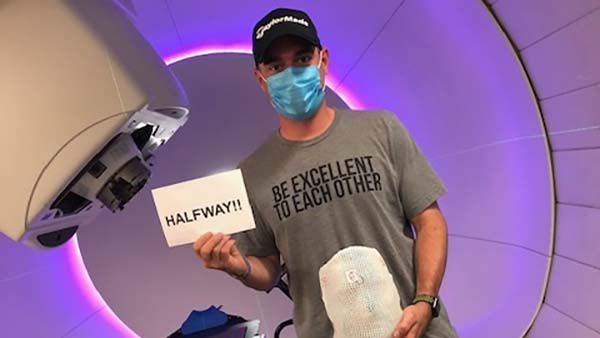
View real-life stories of individuals with brain tumors who have been treated at Mass General Brigham Cancer Institute.
Contact the Mass General Brigham Cancer Institute to make an appointment or to learn more about our programs.