
Saeed Nazemidashtarjandi, PhD
Center for Engineering in Medicine & Surgery
51 Blossom St., Suite 405
Boston,
MA
02114
About Dr. Nazemidashtarjandi
Brief Biography
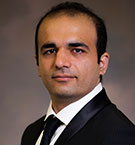
Saeed Nazemidashtarjandi, PhD is an investigator at the Center for Engineering in Medicine and Surgery at Harvard Medical School and Massachusetts General Hospital. He earned his Ph.D. in Chemical Engineering from Ohio University, where he studied the role of the cell plasma membrane in interactions with engineered nanomaterials. This work provided foundational insights into how cell membrane lipid composition regulates nanoparticle uptake, trafficking, and cytotoxicity—knowledge critical for designing safer and more effective nanomedicines. He then completed postdoctoral training at The University of Texas at Austin, where he developed a sequential, photo-responsive liposome system embedded in hydrogels for the controlled delivery of pro-angiogenic growth factors. This innovation enabled precise spatiotemporal control of therapeutic delivery, addressing a major challenge in regenerative medicine and vascular tissue engineering. In 2022, Dr. Nazemidashtarjandi joined CEMS for a second postdoctoral fellowship, where he investigated the phenotypic changes and polarization of monocytes—particularly in patients with major burn injuries. These studies identified immune dysregulation as a driver of poor outcomes after severe burns, highlighting monocyte anisocytosis as a biomarker and therapeutic target for restoring immune balance.
Currently, Dr. Nazemidashtarjandi leads a research program developing novel therapeutic strategies to induce remission of inflammation in inflammatory bowel disease (IBD). His work focuses on reprogramming monocytes through metabolic modulation and bioengineering-based delivery systems to restore immune balance and promote tissue repair. This approach addresses a critical unmet need for safe, targeted, and durable treatments for chronic inflammatory diseases where current immunosuppressive therapies fall short. He is also investigating monocyte subset modulation in patients with major burns to identify therapeutic targets that rebalance immune responses, an approach with the potential to improve survival and recovery in severely injured burn patients by mitigating immune dysregulation.
Dr. Nazemidashtarjandi is also deeply interested in the nano–bio interface, investigating how engineered nanomaterials (ENMs) interact with the cell plasma membrane. His work reveals how lipid chemistry and the membrane microenvironment govern these interactions, including studies where he manipulated the plasma membrane composition of live cells to determine how specific lipid choices influence uptake of exogenous materials. A major focus is the protein corona—the layer of proteins that forms on ENM surfaces in biological fluids—which can fundamentally alter their physicochemical properties, biodistribution, and cellular interactions, with critical implications for safety and therapeutic efficacy.
Education
- Postdoc, Surgery, Harvard Medical School, 2025
- Postdoc, Biomedical Engineering, The University of Texas at Austin, 2022
- PhD, Chemical Engineering, Ohio University, 2021
- MSc, Chemical Engineering, Sharif University of Technology, 2015
- BSc, Chemical Engineering, University of Sistan and Baluchistan, 2012
Research Thrusts
Center for Engineering in Medicine & Surgery
A place where scientific rigor and creativity are matched by a sense of community, the Center for Engineering in Medicine & Surgery is a relatively young and vibrant enterprise that draws strength from its diversity and collective spirit, and from its affiliations with surrounding biomedical research institutions, including Massachusetts General Hospital, the Shriners Hospitals for Children and the Massachusetts Institute of Technology.