
Krantz Family Center for Cancer Research
2025 Krantz Awards
2025 Krantz Awards
The Krantz Awards — the hospital’s most significant internal funding opportunity for cancer research — were established in 2023 to fundamentally change how cancer is diagnosed and treated at Mass General Brigham Cancer Institute and beyond. In supporting the visionary efforts of the Krantz Center faculty, the awards are expected to accelerate research and drive cancer discovery across the institution and generate a seismic shift in the treatment of cancer for patients around the world.
Meet the 2025 Krantz Award recipients below.
2025 Quantum Award
Mario-CART cells to discover the best next-generation engineered T cell therapies for cancer patients
Team
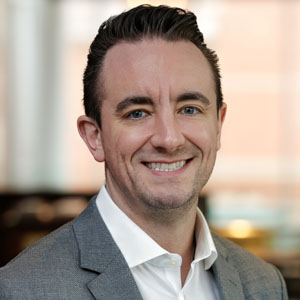 Matthew Frigault, MD
Clinical Director, Cellular Therapy Service
John and Ashley Ranelli Endowed Scholar in Cancer Innovation
Assistant Professor of Medicine
 Robert Manguso, PhD
Co-Director Tumor Immunotherapy Discovery Engine, Broad Institute
Associate Professor of Medicine
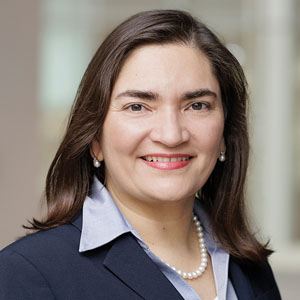 Marcela Maus, MD, PhD
Director, Cancer Institute Program in Cellular Immunotherapy
Paula J. O’Keeffe Endowed Chair in Thoracic Oncology
Professor of Medicine
Krantz Family Center for Cancer Research investigators Marcela Maus, MD, PhD, and Rob Manguso, PhD, along with clinical cellular therapy expert Matt Frigault, MD, are working together to improve chimeric antigen receptor (CAR) T-cell therapy. CAR T has transformed the treatment of certain blood cancers, but it has not been as effective for solid tumors like pancreatic cancer.
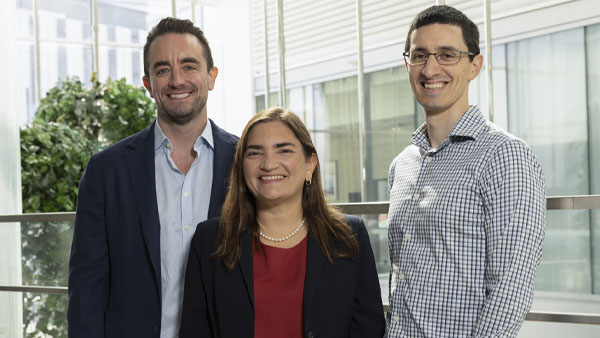
This team has determined how to test which genes might make CAR T-cells stronger and more effective in laboratory models. The FDA has now approved their efforts to try this approach in people. They are launching a first-in-the-world study where pancreatic cancer patients will receive these specially engineered CAR T-cells while researchers test which genetic changes can boost their power. If it is successful, this could be a huge breakthrough that makes CAR T-cell therapy effective for many more types of cancer.
2025 Breakthrough Awards
Targeting epithelial heterogeneity in liver cancer
Team
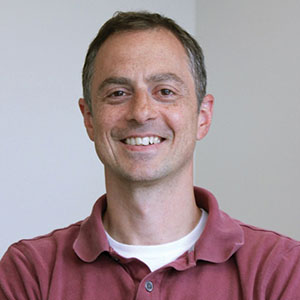 Nabeel Bardeesy, PhD
John R. Gallagher III and Katherine A. Gallagher Endowed Chair in Gastrointestinal Cancer Research
Professor of Medicine
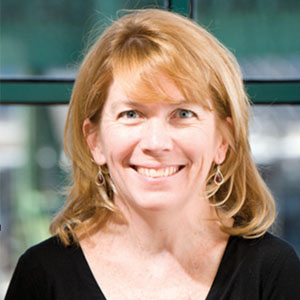 Andrea I. McClatchey, PhD
Director for Academic Affairs, Krantz Family Center for Cancer Research
Poitras Family Endowed Chair in Oncology
Professor of Pathology
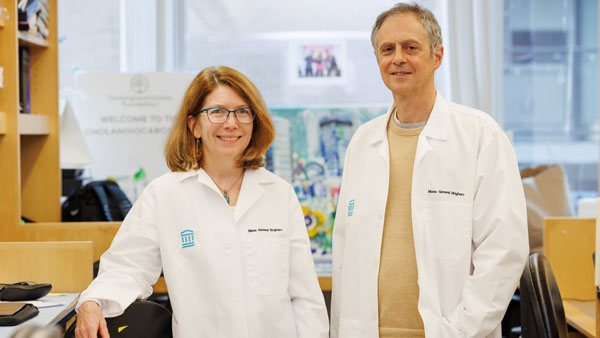
Bile duct cancers are rare and aggressive, but recent targeted therapies have brought new hope for patients. Krantz Center investigators Nabeel Bardeesy, PhD, an expert in cancer genetics, and Andrea McClatchey, PhD, an expert in developmental biology, will collaborate on a new bile duct cancer-focused research project that builds on Mass General’s leadership in this field. Their work aims to uncover why some bile duct cancers respond well to these new treatments while others do not, paving the way for more personalized therapies.
Studying DNA repair to enhance cancer immunotherapy
Team

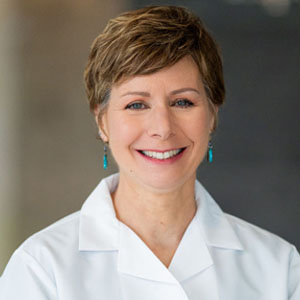 Daphne Haas-Kogan, MD, MBA
Radiation Oncologist-in-Chief, Mass General Brigham Cancer Institute
Willem and Corrie Hees Family Professor of Radiation Oncology
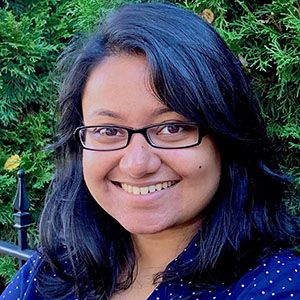
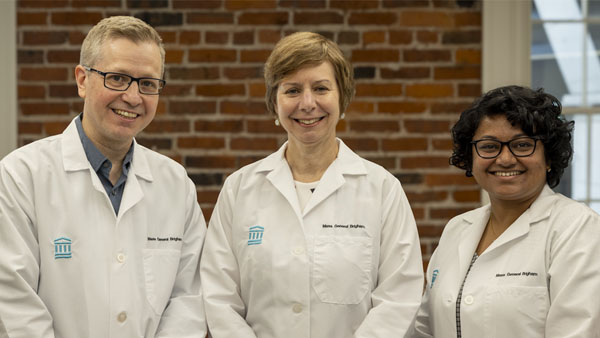
Cancer-fighting T cells often become “exhausted” and stop working. With support from a prior Spark Award, Krantz Center investigators Deb Sen, PhD, and Andrew Elia, MD, PhD, discovered that a drug affecting DNA damage response can also reinvigorate exhausted T cells. They are now working with Daphne Haas-Kogan, MD, radiation oncologist-in-chief of Mass General Brigham Cancer Institute, to test this approach in models of pediatric brain tumors. Their findings could open an entirely new way to boost the immune system’s ability to fight cancer.
Dissecting the role of H3K27 methylation in B cell oncogenesis using novel histone tools
Team
 Hanno Hock, MD, PhD
Brant Carleton Endowed Chair in Acute Myeloid Leukemia Research
Assistant Professor of Medicine
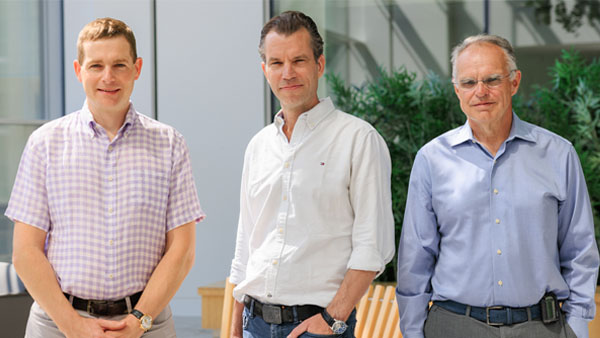
Changes in how DNA is packaged inside chromosomes can drive cancer, but the details remain poorly understood. With support from a previous Spark Award, Krantz Center investigator Konrad Hochedlinger, PhD, discovered that a single mutation in a chromosome regulator can trigger lymphoma in mice. He will now collaborate with fellow Krantz Center investigator Hanno Hock, MD, PhD, and Brigham and Women’s investigator Peter van Galen, PhD, to uncover why this mutation can lead to disease. Their work could reveal fundamental cancer mechanisms with wide-reaching implications across blood cancers and solid tumors.
2025 Spark Awards
Proof of Concept for a Peptide-PROTAC Strategy
Mikolaj Slabicki, PhD
Assistant Professor of Medicine
Using spatial transcriptomics to define roles for aging in cancer progression

Raul Mostoslavsky, MD, PhD
Scientific Director, Krantz Family Center for Cancer Research
Laurel Schwartz Professor in Medicine in the Field of Oncology
Professor of Medicine
Targeting ALK Fusion Proteins with COUPLrs: Mechanistic Insights and Therapeutic Development
Liron Bar-Peled, PhD
Rullo Family Endowed Chair in Cancer Research
Associate Professor of Medicine
Anthony John Iafrate, MD, PhD
Austin L. Vickery, Jr. Professor of Pathology
Combining high-sensitivity automated protein quantification with CTC enrichment for selecting immune-based cancer therapies

Avanish Mishra, PhD
Assistant Professor of Surgery
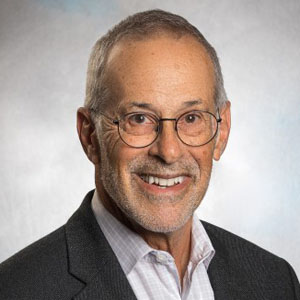
David R. Walt, PhD
Hansjörg Wyss Professor of Bioinspired Engineering
Professor of Pathology
Overcoming resistance to checkpoint blockade immunotherapy with cryoablation in metastatic melanoma
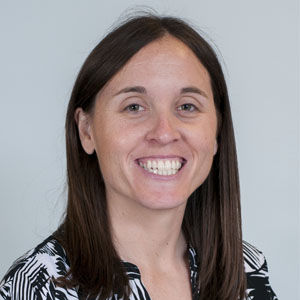
Meghan Mooradian, MD
Assistant Professor of Medicine

Moshe Sade-Feldman, PhD
Assistant Professor of Medicine
2025 Technology Award
The 2025 Technology Award will fund a powerful computational infrastructure (graphics processing unit, or GPU) for AI-based cancer research. This system will allow Krantz Center researchers to analyze vast genetic, pathology and clinical datasets at unprecedented speed and depth. With matching support from our Department of Pathology colleagues, this resource will accelerate discoveries across the Krantz Center and the Mass General Brigham Cancer Institute.
Krantz Family Center for Cancer Research
The Krantz Family Center for Cancer Research serves as the scientific engine for discovery for the Mass General Brigham Cancer Institute.